Seasonal Quality Assurance: Preparing for Peak Performance
Understanding Seasonal Quality Assurance
As businesses prepare for peak seasons, ensuring product and service quality becomes paramount. Seasonal quality assurance is a strategic approach that focuses on maintaining high standards during periods of increased demand. This process involves anticipating potential challenges and implementing measures to address them effectively.
Quality assurance during peak times requires a proactive mindset. Companies must assess their current processes and identify areas for improvement. By doing so, they can enhance customer satisfaction and build a strong reputation.

Identifying Key Challenges
One of the main challenges during peak seasons is managing increased workload without compromising quality. This often involves handling more orders, customer inquiries, and logistical demands. To manage these effectively, businesses need to streamline operations and optimize resource allocation.
Another challenge is maintaining consistency in product or service delivery. Variations in quality can lead to customer dissatisfaction, which is why it's crucial to implement robust quality checks and balances.
Strategies for Effective Quality Assurance
Implementing a comprehensive quality assurance plan involves several key strategies. First, businesses should conduct thorough training sessions for their staff. Well-trained employees are better equipped to handle increased demands and maintain high standards.
Another strategy is to utilize technology to automate certain processes. Automation can help reduce errors and increase efficiency, allowing teams to focus on more critical tasks.

Utilizing Data and Feedback
Data analysis plays a vital role in quality assurance. By analyzing past performance data, businesses can identify trends and anticipate potential issues. This proactive approach allows for timely interventions and improvements.
Customer feedback is another valuable resource. Regularly collecting and analyzing feedback provides insights into areas that need attention. It also helps companies align their offerings with customer expectations.
Continuous Improvement and Adaptation
Quality assurance is not a one-time effort but an ongoing process. Businesses should continuously review and refine their strategies to adapt to changing conditions. This involves staying updated with industry trends and emerging technologies.
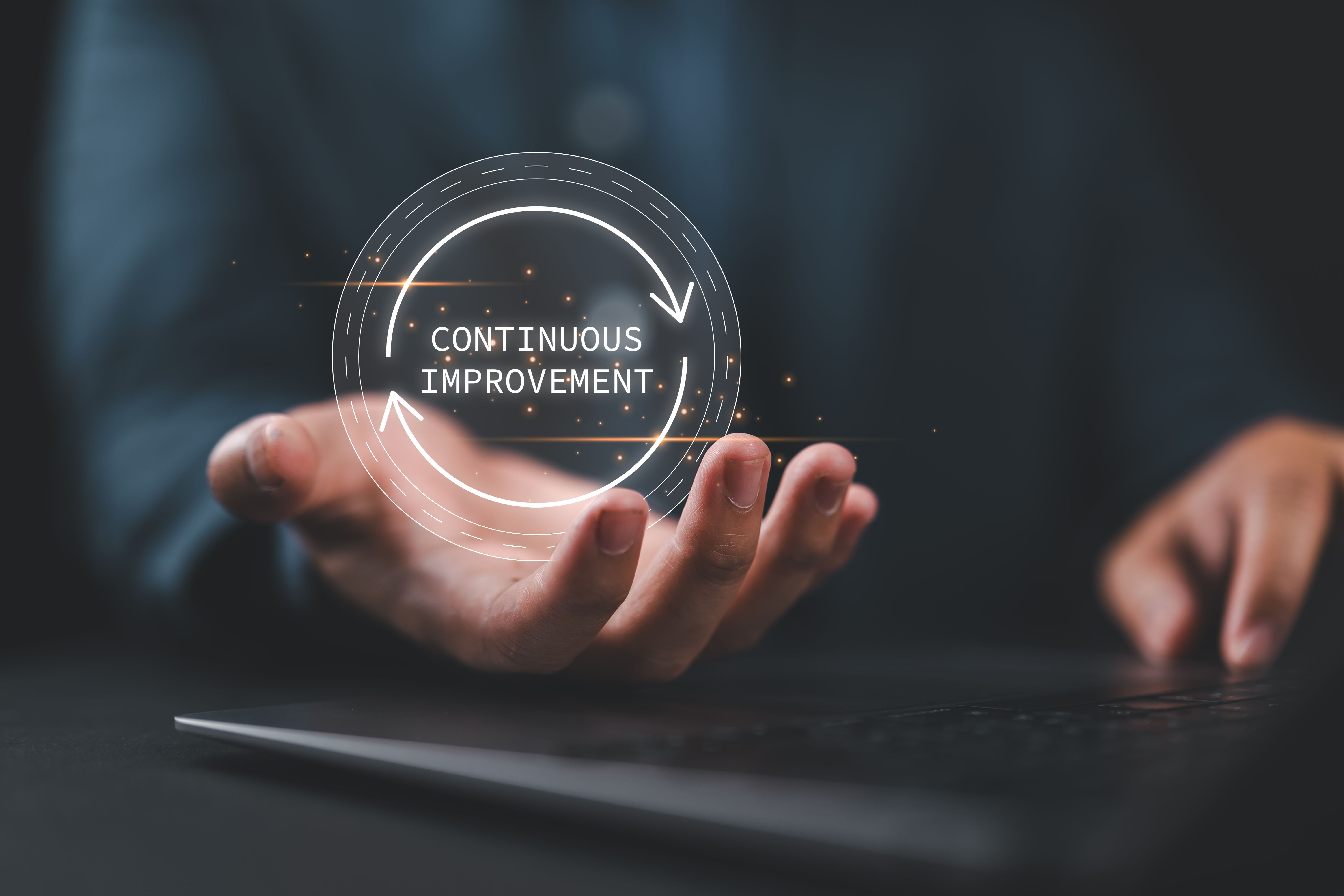
Adopting a culture of continuous improvement encourages teams to innovate and find new ways to enhance quality. By fostering an environment of collaboration and learning, businesses can achieve sustained success during peak seasons.